6 posts tagged with "AI"

Discussions about AI, example of how AI can be used.

View All Tags

The promise of AI

· 4 min read
Liz Argall
Technical Writer and Program Manager

Back in 2018 I gave a presentation at Content Connections, titled Governance in Content: Draconian Overlord or Supportive Coach. This was back in an era when most folks didn't really think about AI.

Part of the question I wrestled with was, what is AI? What is intelligence? I went with John McCarthy's definition, "Intelligence is the computational ability to achieve goals in the world." Technically this means that a thermostat has intelligence, but its intelligence is somewhat limited.

The heart of my argument, however, is that AI had the ability to take care of boring, repetitive, "CLEAN YOUR ROOM!" mum stuff for content creators. Through this collaboration, technical writers, editors, managers could spend more time coaching and working with people to make great content.

AI as code switching and masking

· 3 min read
Liz Argall
Technical Writer and Program Manager

For some generative AI has felt like a liberation. At long last they can communicate in a way that is heard and understood.

But it's useful sometimes to pause and think, liberated from what? When something is used as an assistive device it is handy to think why it is needed? What other factors are in play?

Generative AI is a statistical aggregate machine. Sometimes it can be good at surfacing what should be good practices that too often aren’t followed (like when a manager makes a dodgy decision by themselves, when talking to any HR person might help them follow best practice). While it can be useful, AI is best at continuing the way things have been done and smoothly perpetuating dominant hegemony.

When someone might feel the need to mask or code switch their language using AI, I think it is up to us to self interrogate. Why might this person want to smooth down their individual edges?

The value of emotional intelligence in technical writing

· 7 min read
Liz Argall
Technical Writer and Program Manager

IQ predicts how well you'll do in your school years and how much salary you can make over the course of a career because it says what job you can get... but once you're in those professions everybody else is about as smart as you are, and that is where emotional intelligence kicks in. - Daniel Goleman

Many technical writers are fairly empathic people. To be good at our job, we need to care about user experiences, we need to be able to imagine different scenarios and meet different needs. I know that I am sometimes better at understanding the needs of others more than my own. Other peoples needs are interesting puzzles, my own needs can feel more like irritants that get in the way of me doing stuff!

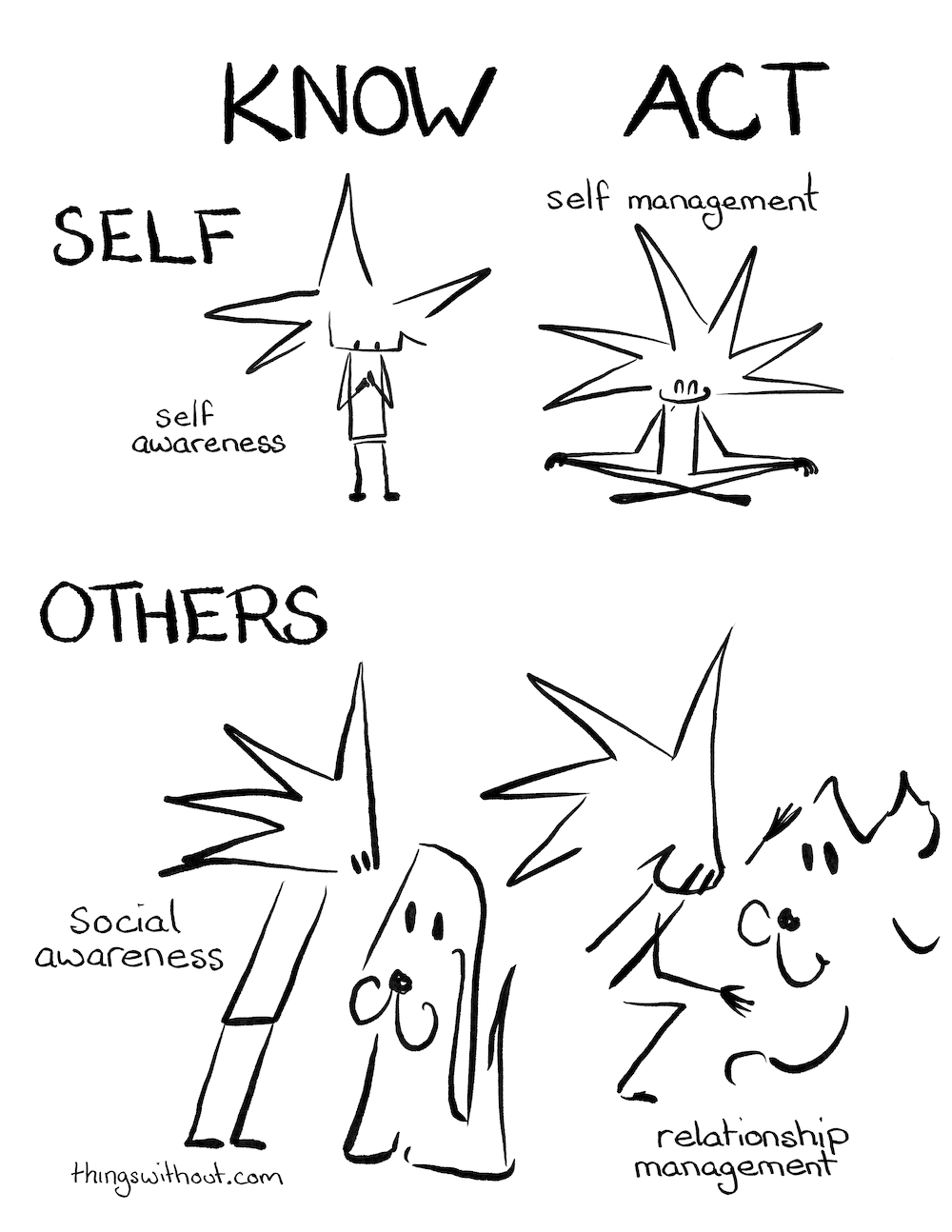
Emotional Intelligence Comic Transcript. A two column, two row illustrated table. Know and Act are the columns, Self and Others are the rows. Self/Know is self-awareness. Little Liz smiles and looks at herself. Self/Act is self-management. Little Liz sits cross legged in a meditation posture and smiling. Others/Know is social awareness. Little Liz leans forward to look at a dog. Others/Act is relationship management. Little Liz and the dog rush towards each other.

But, it turns out, if you don't honor all the aspects of emotional intelligence you're selling yourself short and creating problems for yourself. As Ramona Hacker points out, too much empathy can sometimes be a barrier to full emotional intelligence. The noise of so much empathy can drown out too many other parts or give the illusion of strong emotional intelligence when there are aspects that need more work.

Minutes matter

· 6 min read
Liz Argall
Technical Writer and Program Manager

If you want to jump straight into the Agenda and Minutes Template:

Minutes are important, and not just how we choose to use the finite amount of time we have in life. Minutes are recordings of decisions and discussions that occurred during a meeting. Done right, they are powerful and meaningful. As a technical writer, I've often used an agenda and minutes to drive decision making, make next steps clear and to manage my own enthusiastic use of workplace chat!

I have two strong opinions (aka hot takes? but is it really hot?). One is that technical writers have a vested interested in good meeting minutes and should just start writing them if the minutes are falling short.

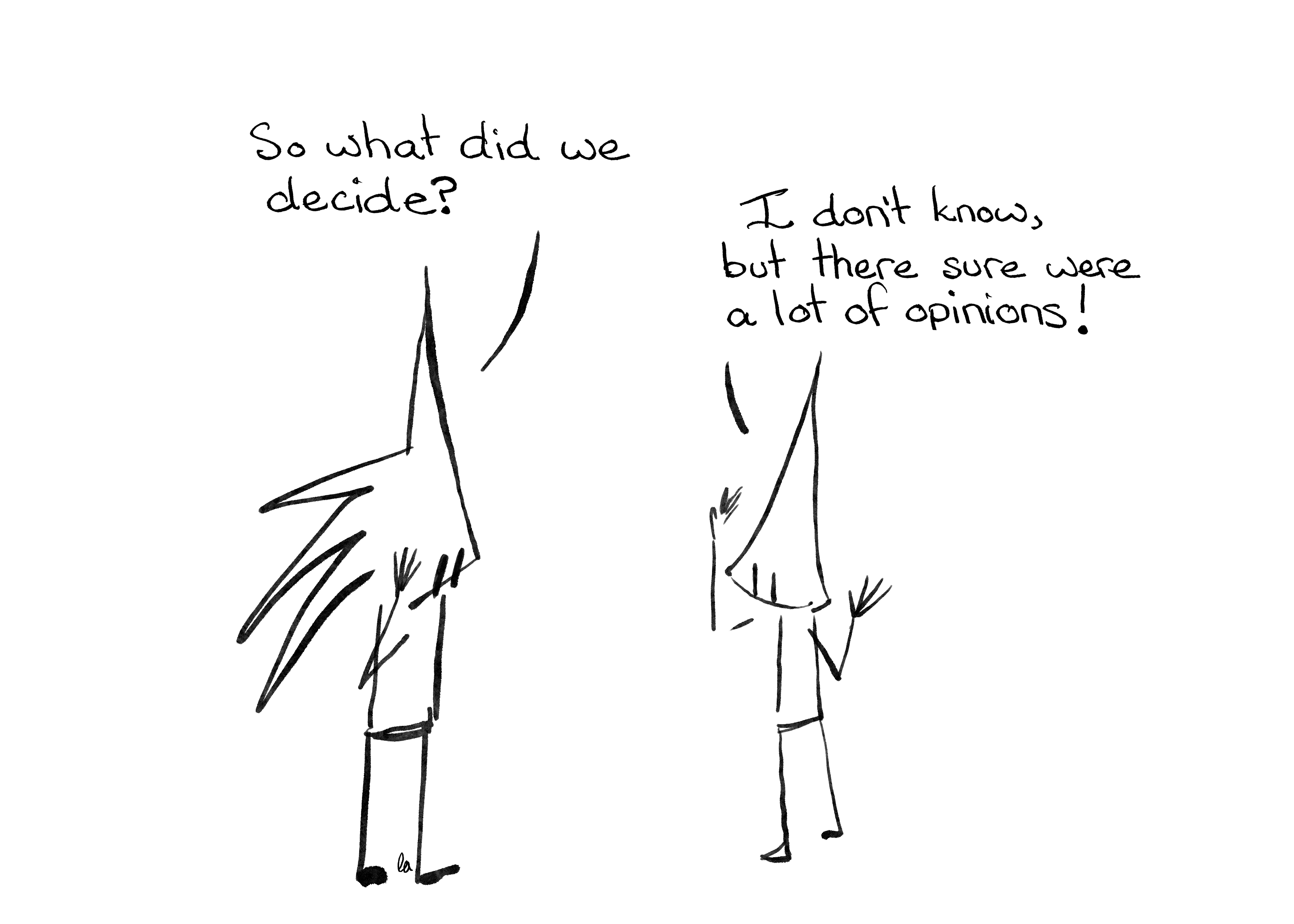
Comic transcript. Liz: So what did we decide? As yet unnamed character: I don't know, but there sure were a lot of opinions!

Introduction to search term analysis

· 6 min read
Liz Argall
Technical Writer and Program Manager

If you want to jump straight into Search Term Analysis spreadsheet:

About

When we talk about content quality, findability is an important factor that extends beyond clean architecture. "Can the user find the data?" is a common question. Can the user find the data if they start with a Google search takes us deeper into this investigation.

At the Write the Docs Conference in Portland this year I gave a lightning talk on "Google Magic!" It showed how and get insight into your documentation in five minutes. Through this approach you can get a clearer understanding of your users and identify the most impactful ways to improve your docs.

This article goes into a bit more detail and provides a template for conducting several kinds of search term analysis.

Neurodivergent quality of life prioritization

· 5 min read
Liz Argall
Technical Writer and Program Manager

Jump straight straight into the Neurodivergent Quality of Life Prioritization (NQLP) Matrix:

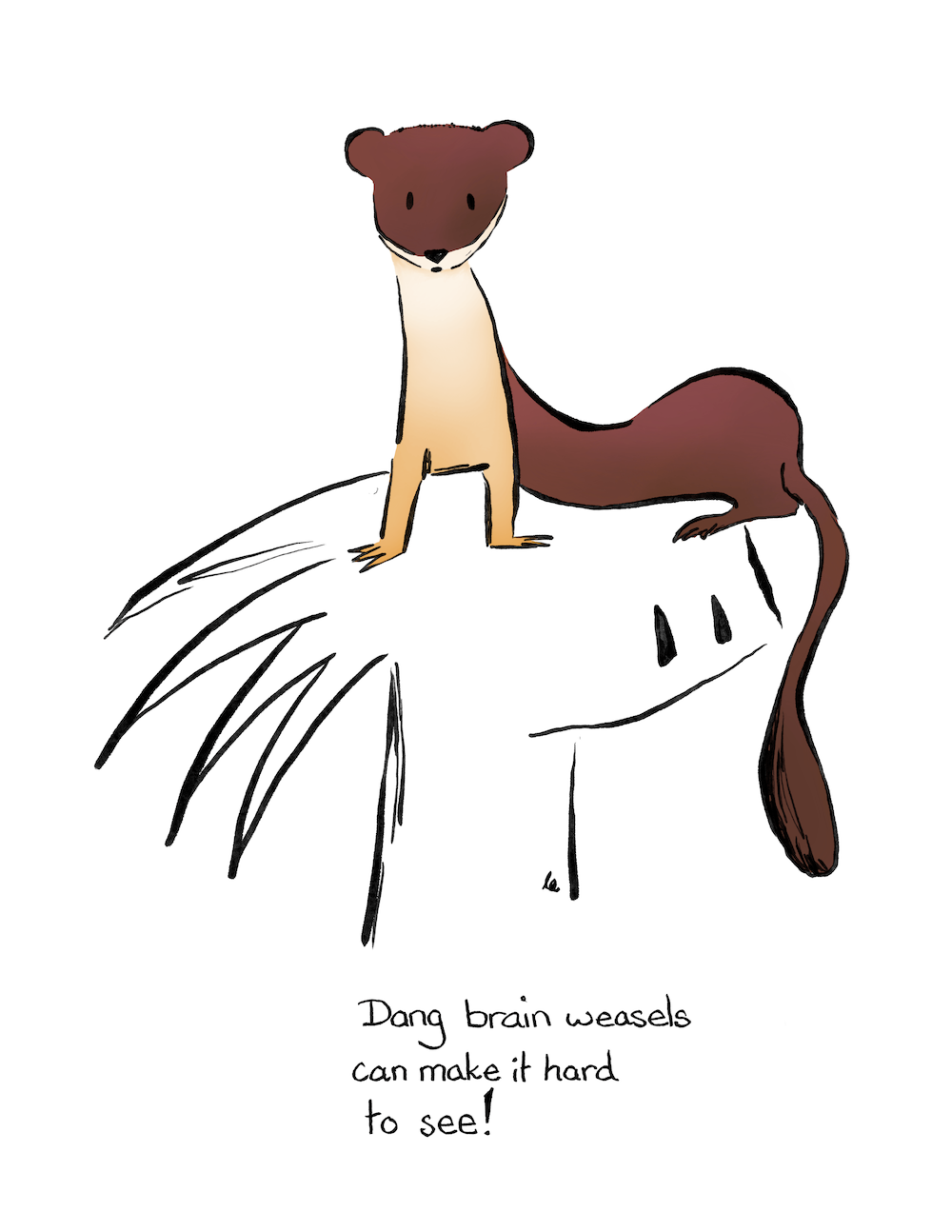
illustration of a spiky haired character called Little Liz, a ferret is sitting on her head. Its tail is in front of of her face. A caption underneath reads "Dang brain weasels can make it hard to see!"

Creating a framework to manage the brain weasels

Whenever life doesn't go to plan, there is an opportunity to self reflect and find opportunities to learn and grow. This is a useful habit to cultivate and can turn adversity into an alchemical experience.

What is not helpful, is to look at the data, look at all the variables that go into being a human and come to the conclusion that you are a trash human/need to improve across all the criteria. This is especially challenging when you're not even sure what the criteria are, or perhaps the criteria changes as you analyze yourself from different angles.